
Canterbury & Kent
Cost of Moving Home 2026 Falls to £17,413, What Kent Buyers Should Budget For
Seventeen thousand, four hundred and thirteen pounds. That is what it now costs, on average, to move house in England, and it is actually good news. New figures published in early October 2026 show the cost of moving home 2026 has dipped for the first time in years, yet it remains so far above historic norms that buyers in Canterbury and across Kent need to plan with their eyes wide open.
According to data from reallymoving, the average cost of moving home in England fell to £17,413 this year, down £418 (2.3%) from the 2025 record of £17,831. That sounds like relief. But reallymoving’s own analysis shows this figure is still 74% higher than a decade ago, even after adjusting for inflation. For Kent buyers weighing up a purchase in Canterbury, Ashford, or along the coast, the headline drop masks a market that remains expensive to enter and exit.
Key Takeaways
- The average cost of moving home 2026 in England is £17,413, down 2.3% from 2025’s record of £17,831.
- Stamp duty (£9,500) and estate agent fees (£4,473) remain by far the two largest costs, together making up more than 80% of the total.
- Removal costs under 30 miles dropped nearly 12% to £624, while conveyancing rose 2.7% to £2,241.
- First-time buyers now pay £2,293 in upfront costs (excluding deposit), and made up 50.2% of all movers this year.
- London movers pay £32,017 on average, 84% above the England figure, while the southern regions, including Kent, average £22,844.
What’s Driving the Cost of Moving Home 2026 Down (But Still High)
The modest fall in the cost of moving home 2026 is not evenly spread across every expense. Some costs eased, others crept up, and the net effect was a small but welcome reduction for movers nationally.
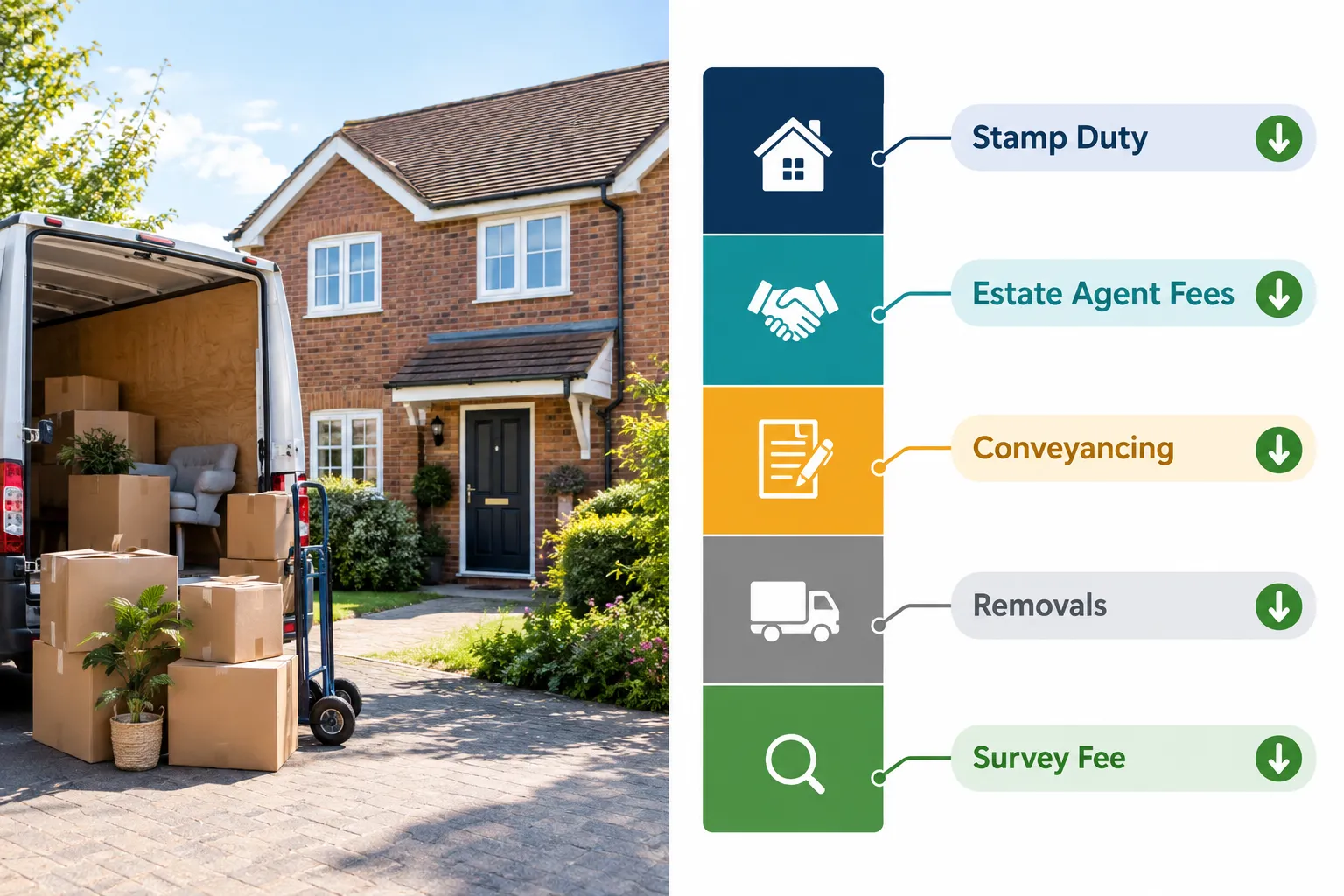
Here is how the main components compare year on year, based on reallymoving’s published figures:
| Cost item | 2026 | 2025 | Change |
|---|---|---|---|
| Stamp duty | £9,500 | £9,750 | down £250 |
| Estate agent fees | £4,473 | £4,615 | down £142 |
| Conveyancing | £2,241 | £2,182 | up £59 (2.7%) |
| Removals (under 30 miles) | £624 | £709 | down £85 (11.9%) |
| Survey (first-time buyers) | £474 | n/a | , |
Stamp duty and estate agent fees both fell slightly, largely reflecting a softer housing market. The median purchase price across England dropped from £395,000 to £390,000, and the median sale price slipped from £325,000 to £315,000. Lower property values mean lower percentage-based fees on both the buying and selling side.
Removal costs fell the most sharply in percentage terms, down almost 12% to £624 for short-distance moves. Conveyancing was the one line item to rise, up 2.7% to £2,241, a reminder that legal work has not got any cheaper even as other costs have softened.
As reallymoving CEO Rob Houghton put it, moving home “costs almost three-quarters more than it did a decade ago, even after accounting for inflation.” That context matters for Kent buyers who may remember far lower moving bills just a few years back.
First-Time Buyers and Regional Differences in the Cost of Moving Home 2026
First-time buyers are shouldering a lighter, but still significant, burden. Their average upfront costs, excluding deposit, came to £2,293 this year, down just £22 (0.9%) on 2025. That total breaks down into conveyancing at £1,445, a survey at £474, and removals at £374. Notably, first-time buyers accounted for 50.2% of all movers in 2026, confirming they are now the dominant force in the market rather than a minority group.
Where you move matters enormously to your total bill. London remains in a league of its own, with average moving costs of £32,017-84% above the England average. That figure is driven by stamp duty alone reaching £21,250, alongside estate agent fees of £6,887 and conveyancing of £2,675.
Kent sits within the “four southern regions” grouping, which reallymoving reports averaging £22,844 combined, considerably higher than the England-wide figure and more than double the £11,110 average across the three northern regions. This regional gap is the single biggest factor Kent buyers should factor into any moving budget: a national headline of £17,413 understates what most Canterbury-area movers will actually pay.
Why the Survey Fee Is the One Cost That Can Save Kent Buyers Money
Of every cost in the moving-home bill, the survey is the only one that can genuinely pay for itself, and sometimes many times over. Stamp duty, agent fees, and conveyancing are largely fixed or non-negotiable once a transaction is underway. A survey, by contrast, gives buyers leverage before contracts are exchanged.
“A survey is not an added cost on top of a purchase, it is the one piece of due diligence that can reduce the purchase price or prevent a far larger bill after completion.”
A thorough inspection can uncover subsidence, damp, roof defects, or outdated wiring that the seller has not disclosed, or may not even know about. Armed with that evidence, buyers routinely renegotiate the asking price or ask the seller to fund repairs before moving in. At an average first-time buyer survey cost of £474, this is a small outlay against the median purchase price of £390,000.
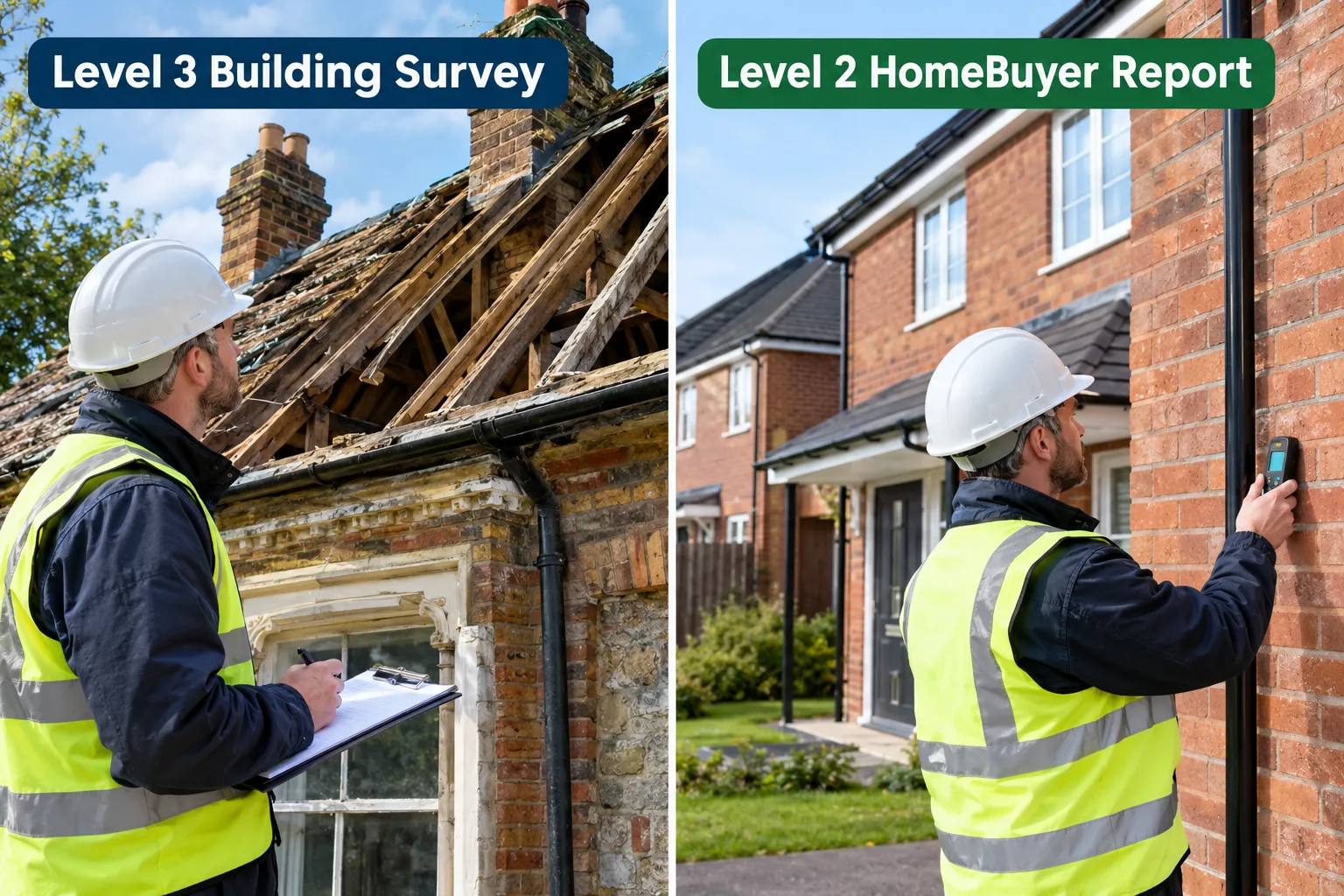
For Kent, where much of the housing stock predates modern building regulations, the choice between survey levels matters:
- Level 2 (HomeBuyer Report): Suited to conventional, reasonably modern homes built from standard materials and in apparent good condition. It gives a traffic-light condition rating and flags urgent issues.
- Level 3 (Building Survey): Recommended for older, listed, timber-framed, or unusually constructed properties, common across Canterbury’s historic streets and rural Kent villages. It offers a far more detailed structural analysis and is better suited to homes showing visible wear, extensions, or non-standard construction.
Given the age and variety of property in the Canterbury area, defaulting to the more comprehensive Level 3 survey on period or unusual homes is generally the safer, more cost-effective decision in the long run.
What This Means for Kent House Prices and the Wider Market
House price growth has also cooled, adding further context to the falling cost of moving home 2026. Nationwide reported that annual house price growth slowed to just 0.8% in September 2026, down from 1.6% in August, with the average UK property now priced at £274,251. A cooling price environment helps explain why stamp duty and agent fees have eased slightly, but it does not undo a decade of cumulative cost growth, nor does it change the regional premium Kent buyers continue to pay.
Frequently Asked Questions
What is the average cost of moving home in 2026? The average cost of moving home in England in 2026 is £17,413, according to reallymoving data published in October 2026. This is down 2.3% from the 2025 figure of £17,831.
Why did moving costs fall this year? Lower stamp duty and estate agent fees, linked to slightly reduced median purchase and sale prices, combined with a sharp fall in short-distance removal costs, pulled the overall average down.
Do Kent buyers pay more than the England average? Yes. Kent falls within the southern regions grouping, which reallymoving reports averaging £22,844, considerably above the £17,413 England-wide figure.
How much should first-time buyers budget beyond their deposit? First-time buyers should budget around £2,293 in upfront costs excluding deposit, covering conveyancing, survey fees, and removals.
Is a property survey worth the cost? Yes. A survey, typically around £474 for first-time buyers, can uncover defects that justify a lower purchase price or prevent costly post-completion repairs, making it one of the few moving costs that can save money overall.
Should older Kent homes get a Level 2 or Level 3 survey? Older, listed, or unusually constructed Kent properties generally benefit from a Level 3 Building Survey, while conventional, modern homes in good condition are usually well served by a Level 2 HomeBuyer Report.
Conclusion
The fall in the cost of moving home 2026 is a genuine, measurable improvement, but it is not a return to affordability. At £17,413 nationally, and well above £22,000 across the southern regions that include Kent, moving remains one of the largest financial commitments most households will make. Stamp duty and agent fees continue to dominate the bill, conveyancing costs are still rising, and regional disparities mean Canterbury-area buyers should budget above the national average, not at it.
The clearest actionable step is to treat the survey not as a box-ticking formality but as a financial safeguard. Commissioning the right level of survey, particularly Level 3 for Kent’s older and more characterful homes, can surface issues worth negotiating over long before completion. Buyers planning a move in the coming months should get a detailed cost breakdown early, speak to a qualified RICS surveyor about which survey level suits their target property, and build a realistic, region-specific budget rather than relying on national headlines alone.
Related services from Canterbury Surveyors
Get a fixed-fee quote or call 0204 579 8270.