
Canterbury & Kent
Cost of Moving House Kent October 2026: Why £17,413 Still Stings
A house move in England now costs £17,413 on average. That is actually a fall from last year. Yet it remains 74% higher than the £10,016 equivalent a decade ago, once inflation is stripped out. For anyone tracking the cost of moving house Kent October 2026, that single statistic explains why so many Canterbury, Whitstable and Ashford homeowners are choosing to extend rather than relocate.
The new figures, drawn from a reallymoving analysis of 204,000 home-moving quotes and reported by PropertyWire on 6 October 2026, show a modest 2.3% year-on-year drop in moving costs. But the longer trend is unmistakable: moving house in England is still dramatically more expensive than it was in 2016, and Kent buyers and sellers need a realistic budget before they sign anything.
Key Takeaways
- The average cost of moving house in England fell to £17,413, down 2.3% from 2025, but still 74% above the 2016 equivalent of £10,016.
- Savings came mainly from lower stamp duty (median purchase price down from £395,000 to £390,000) and reduced estate agent fees, together worth £418.
- Removals under 30 miles dropped nearly 12%, from £709 to £624, while conveyancing rose 2.7% to £2,241.
- First-time buyers outside London pay around £2,293 upfront on average, helped by the £300,000 stamp duty exemption threshold.
- A property survey, often the smallest single cost at roughly £500, is frequently the line item that protects the largest sums in a transaction.
Breaking Down the Cost of Moving House Kent October 2026 Figures
The national averages give Kent movers a useful starting point, even though no local-specific pricing data has been published for Canterbury, Whitstable, Herne Bay, Faversham or Ashford. Understanding where the national £17,413 figure comes from helps explain what a typical Kent transaction might involve this autumn.
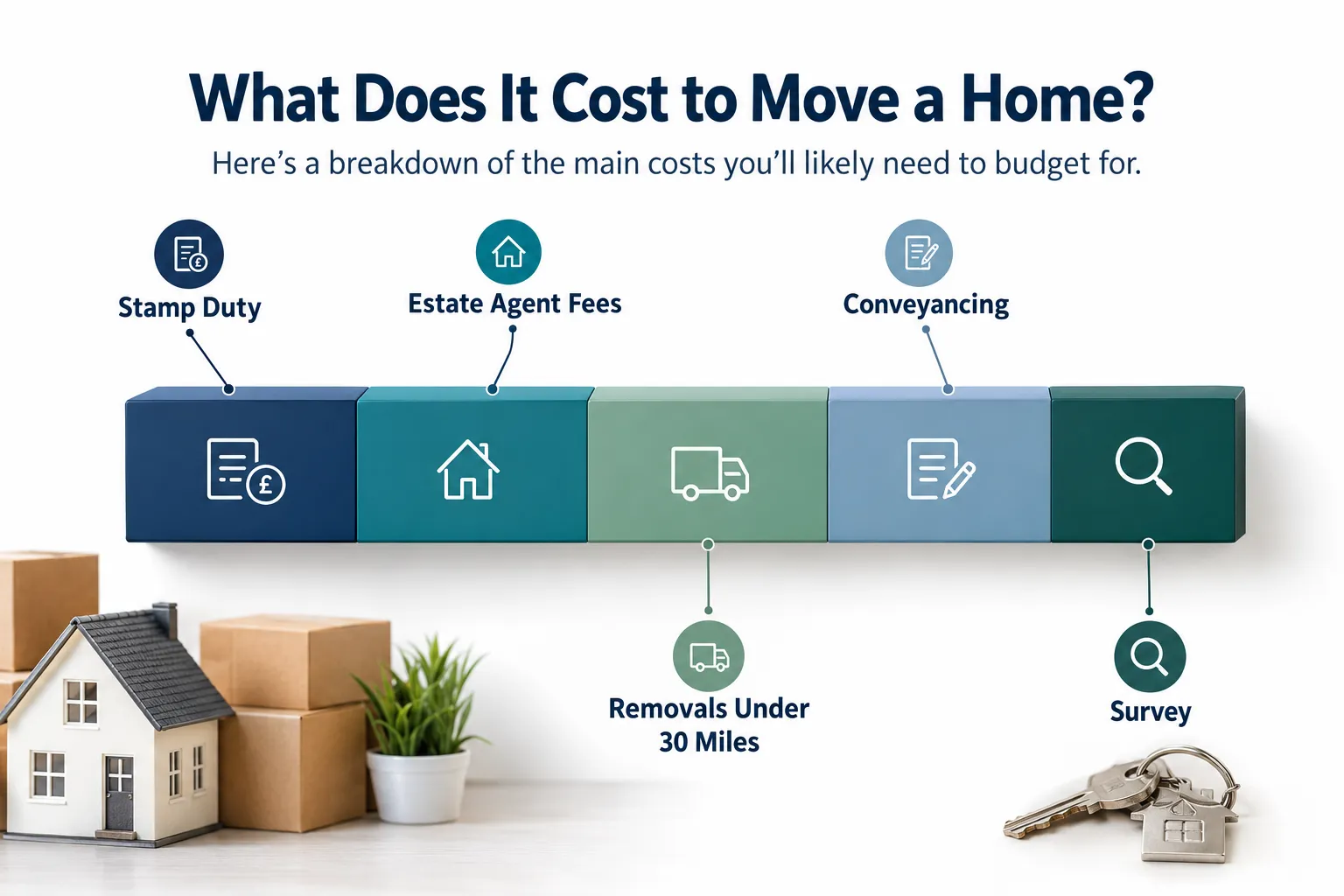
Here is how the typical move breaks down nationally, based on the reallymoving data reported by PropertyWire:
| Cost Element | 2025 Figure | 2026 Figure | Change |
|---|---|---|---|
| Stamp duty | Based on £395,000 median purchase | Based on £390,000 median purchase | Down £250 |
| Estate agent fees | Based on £325,000 median sale | Based on £315,000 median sale | Down £142 |
| Removals (under 30 miles) | £709 | £624 | Down almost 12% |
| Conveyancing | £2,182 | £2,241 | Up 2.7% |
Together, the stamp duty and estate agent savings amount to £418, and cheaper local removals shaved off more besides. Conveyancing, however, kept climbing. For the cost of moving house Kent October 2026, this mixed picture matters: some bills are easing while others, particularly legal and survey-adjacent costs, keep rising steadily.
First-time buyers face a different calculation. Outside London, they pay roughly £2,293 upfront on average, with only about £200 variation across the whole of England. The £300,000 stamp duty exemption threshold for first-time buyers is doing real work here, flattening regional differences that would otherwise be far wider in a county like Kent with its mix of coastal towns and cathedral-city property values.
Why Removals Fell But Conveyancing Rose for Kent Sellers
The nearly 12% drop in short-distance removal costs is good news for anyone moving within Kent, since most local relocations between towns such as Whitstable and Herne Bay, or Canterbury and Faversham, fall well under the 30-mile threshold used in the data. Increased competition among removal firms and more efficient booking platforms appear to be driving prices down.
Conveyancing is moving the opposite direction. A 2.7% rise to £2,241 nationally reflects increased regulatory checks, longer searches, and rising professional indemnity costs for solicitors. For Kent buyers dealing with listed buildings in Canterbury’s conservation areas or coastal flood-risk zones around Whitstable and Herne Bay, legal work can involve additional searches that push costs further still.
Rob Houghton, founder of reallymoving, put the broader pressure in context:
“When households face an upfront bill of more than £17,000 simply to buy and sell, particularly during an extended cost-of-living crisis such as this, many decide to stay where they are even if their home no longer suits their needs.”
That sentiment rings true across Kent, where plenty of growing families and downsizers are weighing up whether an £17,000-plus moving bill is worth it compared with extending or renovating an existing property.
The Smallest Line Item That Protects the Biggest Number: Surveys
Here is where Kent buyers often get their priorities wrong. A property survey, typically costing around £500 based on last year’s reallymoving cost breakdown, is one of the smallest individual expenses in the entire moving process. Stamp duty, conveyancing and removals all dwarf it. Yet the survey is arguably the only line item with the power to change every other number on the list.
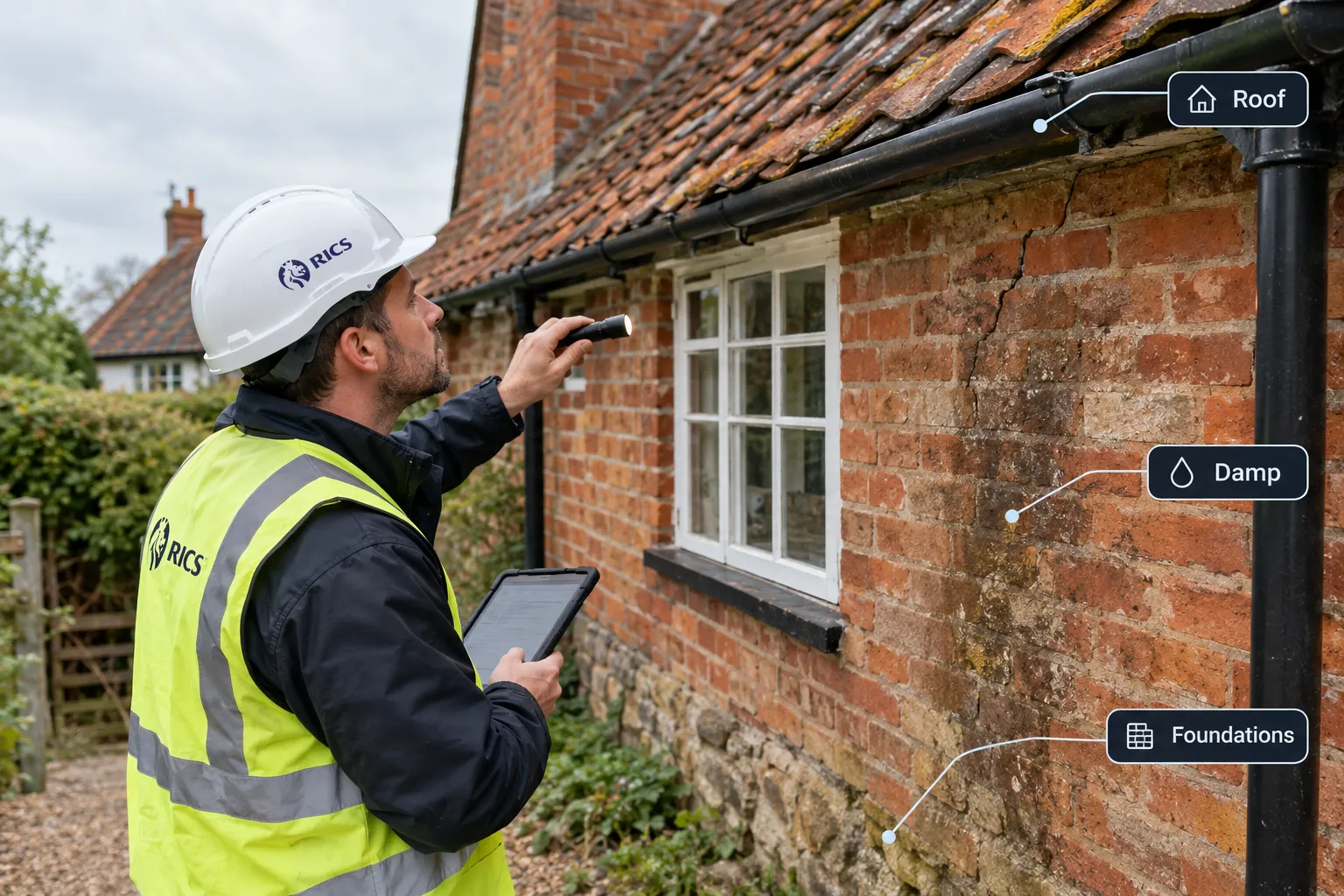
A RICS Level 2 Homebuyer Report or a more detailed Level 3 Building Survey identifies structural issues, damp, roofing problems and subsidence risk before contracts are exchanged. In Kent specifically, this matters because:
- Coastal towns like Whitstable and Herne Bay have properties exposed to salt-air erosion and flood risk.
- Canterbury’s older housing stock, including listed and period buildings, carries higher odds of hidden structural quirks.
- Faversham and Ashford’s mix of historic cores and newer developments means survey findings vary widely by street, not just by town.
When a survey uncovers a defect, buyers gain concrete grounds to renegotiate the purchase price or request repairs before completion. A £500 survey that leads to even a modest price reduction can offset a meaningful share of the total cost of moving house Kent October 2026 buyers are facing. In a market where every other cost is rising or barely falling, that negotiating leverage is one of the few tools still firmly in a buyer’s control.
Budgeting for Cost of Moving House Kent October 2026 Across the County
Whether relocating within Canterbury, moving out to Ashford for more space, or downsizing toward the coast in Herne Bay, Kent movers should build a budget around the national benchmarks until local figures are published, then adjust for property type and age. A realistic approach includes:
- Request formal quotes early for conveyancing and removals, since both costs vary by firm and distance.
- Factor in a RICS survey from the outset rather than treating it as optional, especially for pre-1930s Kent properties.
- Check first-time-buyer stamp duty eligibility against the £300,000 threshold before assuming the full national average applies.
- Compare local removal firms, since short-distance moves have seen genuine price competition this year.
Frequently Asked Questions
Is moving house cheaper in 2026 than in 2025? Yes, nationally the average fell 2.3%, from roughly £17,825 to £17,413, driven mainly by lower stamp duty and estate agent fees plus cheaper local removals.
Why is moving still 74% more expensive than in 2016? Even after this year’s fall, inflation-adjusted costs remain far above the 2016 average of £10,016, reflecting a decade of rising house prices, legal fees and regulatory requirements.
How much do first-time buyers typically pay upfront outside London? Around £2,293 on average, with only about £200 variation across England, partly because the £300,000 stamp duty exemption threshold helps first-time buyers regardless of region.
Why did conveyancing costs rise while other costs fell? Conveyancing increased 2.7% to £2,241, likely due to more thorough searches, compliance checks and rising professional costs for solicitors, even as stamp duty and agent fees eased.
Is a property survey worth the cost for Kent buyers? Yes. At roughly £500, a survey is one of the cheapest steps in the process but can reveal defects that justify price renegotiation, often saving far more than the survey itself cost.
Conclusion
The headline £17,413 figure offers Kent movers a modicum of relief after years of rising costs, but the 74% jump over a decade is a reminder that moving remains a major financial decision. Falling removal costs and a slightly lower stamp duty bill help, while rising conveyancing fees push back in the other direction. For anyone budgeting the cost of moving house Kent October 2026, the smartest move is treating the survey not as a minor formality but as the one expense capable of protecting, or even reducing, every larger cost on the list. Speak with a RICS-accredited Kent surveyor before exchange, and use the findings as a genuine negotiating tool rather than a box-ticking exercise.
Related services from Canterbury Surveyors
Get a fixed-fee quote or call 0204 579 8270.